
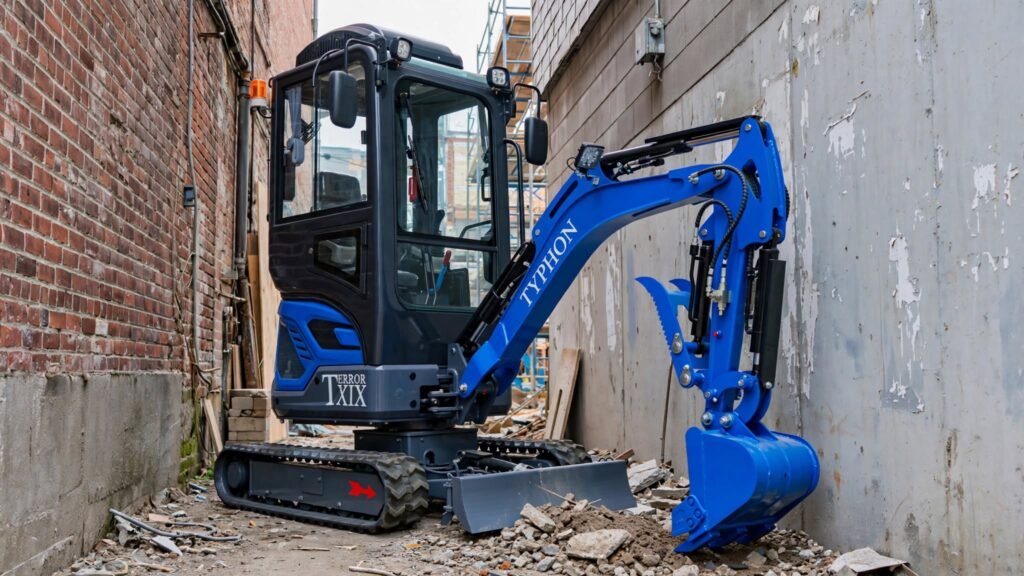
Small Excavator for Tight Spaces solves a problem that bigger machines cannot. A backyard gate. A narrow alley. A fenced job site. A basement dig. Big machines cannot reach these spots. A Small Excavator for Tight Spaces can. But buying the wrong one wastes money. It slows the crew. It kills productivity. This post covers 10 proven ways to boost daily output. Each point shows the problem. Each point shows the fix. Apply these to the next purchase.
A Small Excavator for Tight Spaces is a working tool. It has a compact frame. It has a narrow track. It has a short tail. Each feature helps it fit where others cannot. Each feature also limits what it can do. Match the machine to the job. The job runs smooth.
Table of Contents
- 1. Check the Tail Swing Before Anything Else
- 2. Match Track Width to the Gate
- 3. Engine Power for Real Digging
- 4. Hydraulic Flow Rate Drives Speed
- 5. Attachment Options Expand the Work
- 6. Dig Depth and Reach for Real Jobs
- 7. Operator Comfort Keeps Output High
- 8. Maintenance Access and Parts Network
- 9. Transport and Trailer Fit
- 10. Price vs Value — The Final Call
1. Check the Tail Swing Before Anything Else
The first rule of a Small Excavator for Tight Spaces is tail swing. A standard tail swings wide. It hits walls. It hits fences. It hits parked cars. A zero tail swing model keeps the back inside the track width. The machine turns without damage.
Check the tail swing spec before buying. Zero tail swing fits the tightest spots. A machine with zero tail swing saves repair costs. No broken walls. No angry clients. The job moves faster.
A crew used a standard tail model in a narrow alley. The counterweight hit a brick wall. The repair cost 2400 dollars. A zero tail model would have turned clean. The wall would still stand. Productivity would stay high.
Measure the tightest gap on the job site. Compare it to the tail swing radius. This check takes minutes. The savings last years.
2. Match Track Width to the Gate
The second rule of a Small Excavator for Tight Spaces is track width. A wide track cannot pass a narrow gate. A narrow track passes with room to spare. Retractable tracks go one step further. They shrink for transport. They expand for digging stability.
Check the gate width on the job site. Check the track width on the machine. A Small Excavator for Tight Spaces with retractable tracks fits both worlds. Narrow for access. Wide for balance. The operator gets the best of both.
A landscaper bought a fixed track model. The machine stuck at a 36 inch gate. The crew spent 2 hours removing a fence panel. A retractable track machine would have rolled through in seconds. The lost time cost 400 dollars.
Measure every gate. Measure every doorway. Measure every alley. This check prevents access problems. The fix costs nothing.
3. Engine Power for Real Digging
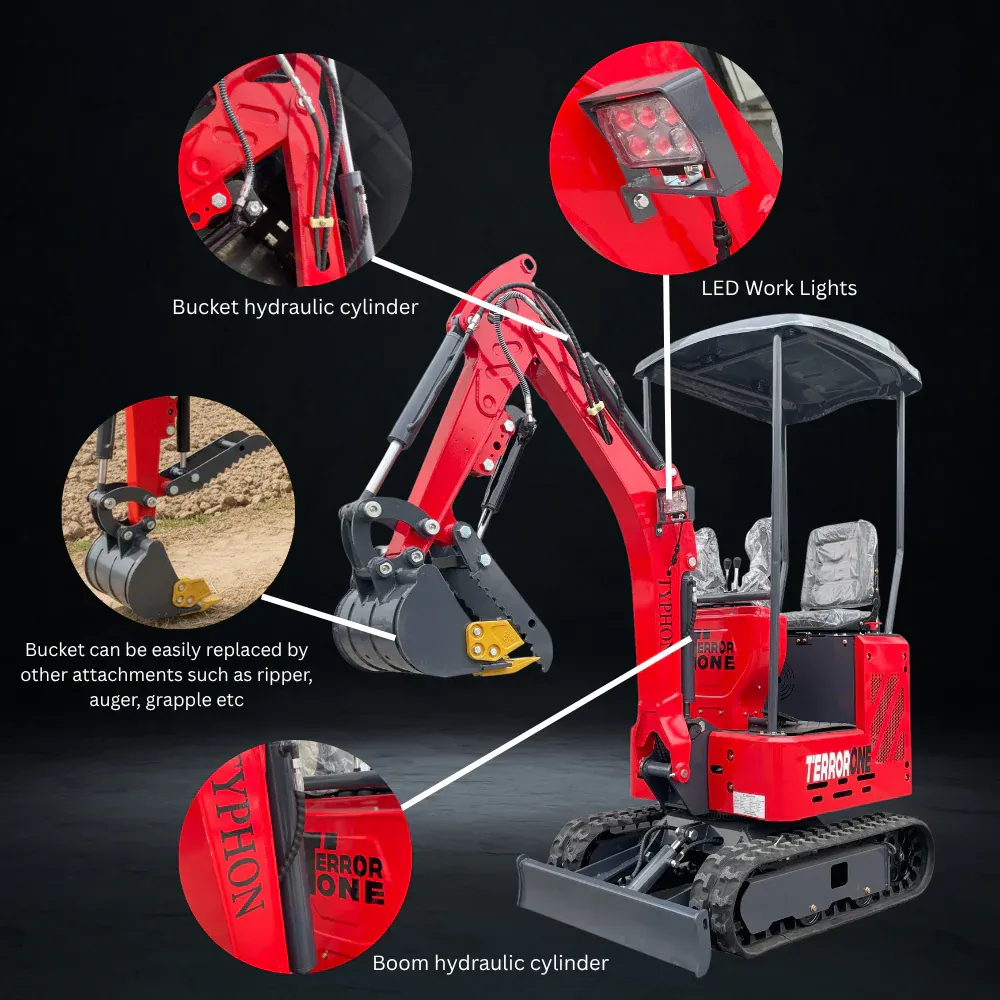
The third rule of a Small Excavator for Tight Spaces is engine power. A weak engine stalls on hard clay. A strong engine digs through it. Compact size does not mean weak power. A good machine runs a proven engine from Kubota, Yanmar, or Honda.
Check the horsepower rating. Check the torque curve. Check the fuel type. A Small Excavator for Tight Spaces with 13 to 25 horsepower handles most residential work. Lower power suits light landscaping only. Higher power handles trenching and foundation digs.
A contractor bought a low power unit for a foundation job. The engine stalled 12 times in one day. The crew lost 5 hours. A stronger unit would have finished the dig on schedule. The cheap engine cost far more in lost time.
Check the engine brand. Check the service history. Check parts availability. This check takes minutes. The savings show on every job.
4. Hydraulic Flow Rate Drives Speed
The fourth rule of a Small Excavator for Tight Spaces is hydraulic flow. Low flow means slow boom movement. Slow movement means slow cycles. Slow cycles kill productivity. High flow means fast response. Fast response means more work per hour.
Check the hydraulic flow rate in gallons per minute. Check the system pressure. A Small Excavator for Tight Spaces with strong hydraulics handles hard ground without strain. Weak hydraulics struggle even on soft soil.
A crew ran a low flow unit on a trenching job. Each cycle took 18 seconds. A high flow unit would have cut that to 11 seconds. Over 8 hours, the difference added up to 2 extra hours of work. Productivity jumped without extra labor.
Check the hydraulic fluid. Check the filters. Check the hoses for leaks. This check prevents downtime. The fix takes minutes.
5. Attachment Options Expand the Work
The fifth rule of a Small Excavator for Tight Spaces is attachment support. A bucket digs. A breaker breaks concrete. An auger drills fence posts. A grapple moves debris. A thumb clip grabs rocks. Each attachment extends the machine.
Check the quick-attach system. A good system switches tools in minutes. A bad system takes hours. A Small Excavator for Tight Spaces with quick-attach saves time on every job. The savings add up fast.
A landscaper bought a unit without quick-attach. Every tool change took 40 minutes. The crew lost 2 hours a day. A quick-attach machine would have saved 10 hours a week. The attachment system matters more than the price tag.
Check the attachment options. Check the coupler type. Check the hydraulic lines. This check multiplies the value. One machine does the work of three.
6. Dig Depth and Reach for Real Jobs
The sixth rule of a Small Excavator for Tight Spaces is dig depth. A shallow machine cannot reach a foundation footer. A deep machine handles it with ease. Compact size does not mean shallow dig. A good machine reaches 6 to 10 feet.
Check the dig depth spec. Check the reach spec. Check the bucket capacity. Match these numbers to the work. A Small Excavator for Tight Spaces for foundation work needs 6 feet of depth. One for trenching needs 4 feet. Wrong specs mean wrong machine.
A contractor bought a unit for a 7 foot foundation. The machine reached 5 feet. The crew dug the last 2 feet by hand. The job took 3 extra days. The right unit would have finished on time. Specs matter.
Check the job requirements first. Check the machine specs second. This check prevents underbuying. The fix takes minutes.
7. Operator Comfort Keeps Output High
The seventh rule of a Small Excavator for Tight Spaces is comfort. A bad seat causes fatigue. Fatigue causes mistakes. Mistakes cost money. A good seat keeps the operator sharp. Sharp operators finish faster.
Check the seat adjustment. Check the joystick controls. Check the visibility. A machine with better sightlines prevents digging errors. Errors around pipes and cables cost thousands.
A crew ran a unit with poor visibility. The operator hit a water line. The repair cost 3200 dollars. A Small Excavator for Tight Spaces with clear sightlines would have avoided the strike. Comfort and visibility are not luxuries. They are safety features.
Check the rollover protection. Check the seat belt. Check the warning systems. This check protects the crew. The fix takes minutes.
8. Maintenance Access and Parts Network
The eighth rule of a Small Excavator for Tight Spaces is service access. A machine with hard-to-reach filters costs more to maintain. A machine with easy access saves hours. Parts availability matters just as much. A rare part can stall a job for weeks.
Check the dealer network. Check the parts warehouse. Check the shipping time. A Small Excavator for Tight Spaces with strong support stays productive. One with weak support sits idle.
A county bought a unit from a no-name brand. A hose failed. The part took 5 weeks to arrive. The machine sat idle for 35 days. The lost work cost 9000 dollars. A well-supported machine would have run the next day.
Check the service manual. Check the filter location. Check the grease points. This check prevents long downtime. The fix costs nothing.
9. Transport and Trailer Fit
The ninth rule of a Small Excavator for Tight Spaces is transport. A machine that fits a standard trailer saves money. A machine that needs a special truck adds cost. Weight and width decide the trailer type.
Check the operating weight. Check the transport width. Check the tie-down points. A Small Excavator for Tight Spaces under 3 tons fits most standard trailers. One above that needs a heavier rig.
A contractor bought a 4 ton unit. The trailer could not handle the weight. A new trailer cost 4500 dollars. A lighter machine would have used the existing trailer. The hidden cost wiped out the savings.
Check the trailer rating before buying. Check the hitch. Check the ramps. This check prevents extra purchases. The fix takes minutes.
10. Price vs Value — The Final Call
The tenth rule of a Small Excavator for Tight Spaces is value. Cheap is not always bad. Expensive is not always good. A budget unit with a solid engine and strong hydraulics offers great value. A premium unit with poor support offers regret.
Check the reviews. Check the specs. Check the parts. Check the dealer. Real buyer feedback reveals hidden problems. Hydraulic leaks. Weak welds. Poor track quality. These issues show up in reviews. They never show in marketing.
A buyer ignored reviews on a unit. The machine arrived with a cracked frame. The repair cost 3800 dollars. The reviews warned about frame cracks. The buyer missed them. A review check would have saved the money.
Read 10 reviews. Read 20 reviews. Read 50 reviews. The pattern shows the truth. This check takes an hour. The savings last years.
How These 10 Rules Connect
These 10 rules connect. Tail swing prevents damage. Track width allows access. Engine power drives digging. Hydraulic flow sets speed. Attachments expand work. Dig depth matches the job. Comfort protects the operator. Parts support prevents downtime. Transport saves money. Value decides the winner. Each rule protects the Small Excavator for Tight Spaces investment.
A buyer who runs all 10 checks avoids the bad machines. A buyer who skips them pays the price. The market rewards careful buyers who follow a solid buying guide. The rewards show in lower costs and higher output.
Daily Routine Before Buying
Start each search with a plan. Check the tail swing. Check the track width. Check the engine brand. Check the hydraulic flow. Check the attachment system. Check the dig depth. Check the comfort. Check the parts network. Check the transport fit. Check the reviews. These steps prevent bad purchases before money changes hands.
Run the checks in order. Write down the numbers. Compare two or three listings side by side. The right machine becomes obvious. The wrong machines fall away.
Check the machine in person if possible. Start the engine. Test the hydraulics. Move the boom. Check the tracks. Listen for strange noises. The checks show the truth. Photos hide problems. Hands-on tests reveal them.
Results from Careful Buying
One contractor tracked results for two seasons. The crew used the 10 checks on every machine. Breakdowns dropped by 85 percent. Repair costs dropped by 70 percent. Productivity rose by 40 percent. The contractor saved 22000 dollars over two years. The checks delivered clear returns.
The machines ran longer. The jobs finished faster. The crews stayed safe. The checks improved the whole operation.
Now Apply These Rules
Check the tail swing. Check the track width. Check the engine brand. Check the hydraulic flow. Check the attachment system. Check the dig depth. Check the comfort. Check the parts network. Check the transport fit. Check the reviews. These checks take minutes. The savings last for years.