Mini Excavator digs. It trenches. It moves earth. But a bad machine drains the wallet. It breaks down. It sits idle. It costs more than it earns. This post covers 7 things to check before buying. Each point shows the risk. Each point shows the fix. Apply these checks to the next purchase. Save money. Save time. Protect the investment.
A Mini Excavator is a working tool. It has an engine. It has hydraulics. It has tracks. Each bad choice breaks one of these systems. The job stops. The repair bill grows. The budget bleeds.
Table of Contents
Engine Quality Decides Everything
The first check on any Mini Excavator is the engine. A weak engine stalls under load. A strong engine holds steady. Both look the same in a photo. The difference shows on the job.
Look for Kubota. Look for Yanmar. Look for Briggs & Stratton. Look for Honda. These engines start in cold weather. These run smooth under load. These rarely fail in the first few years. A proven engine lasts years longer.
A contractor bought a cheap unit with an off-brand engine. The engine failed at 200 hours. The repair cost 3200 dollars. A Kubota would have run 5000 hours without a major repair. The cheap unit cost far more in the end.
Check the engine brand before buying. Check the service history. Check parts availability. This check takes minutes. The savings last years.
Hydraulics Tell the Real Story
The second check is the hydraulic system. Hydraulics control the boom. Hydraulics control the bucket. Hydraulics control the swing. Weak hydraulics mean slow digging. Slow digging means lost hours.
Check the hydraulic flow rate. Check the system pressure. High numbers mean strong performance. Low numbers mean weak performance. Strong hydraulics handle hard clay. A weak one struggles on soft soil.
A crew bought a unit without checking hydraulics. The pump failed at 300 hours. The repair cost 2800 dollars. The job stalled for a week. A hydraulic check would have caught the weak pump. The unit cost the crew far more than the price tag.
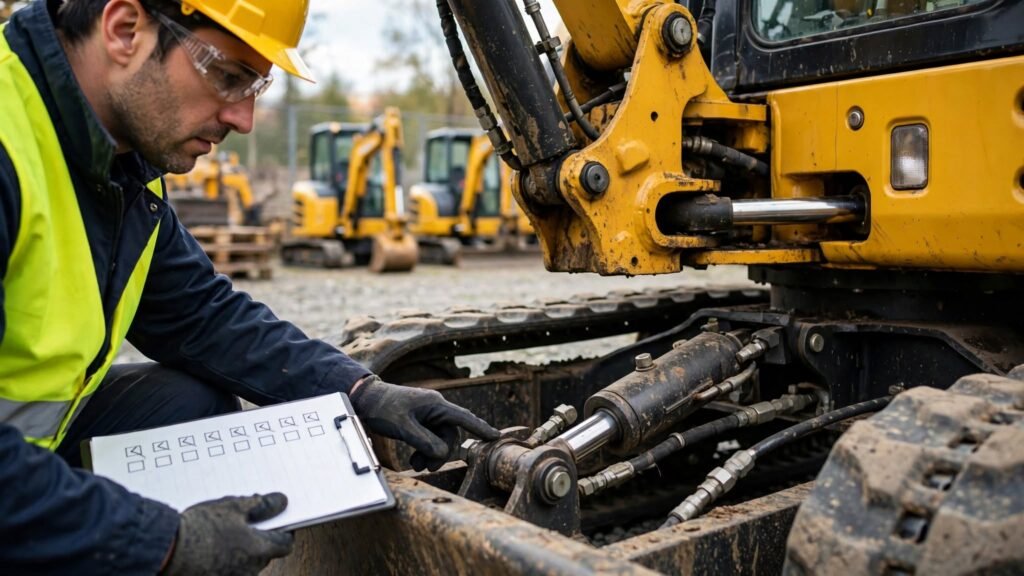
Check the hydraulic fluid. Check the filters. Check the hoses for leaks. This check prevents downtime. The fix takes minutes.
Attachments Multiply the Value
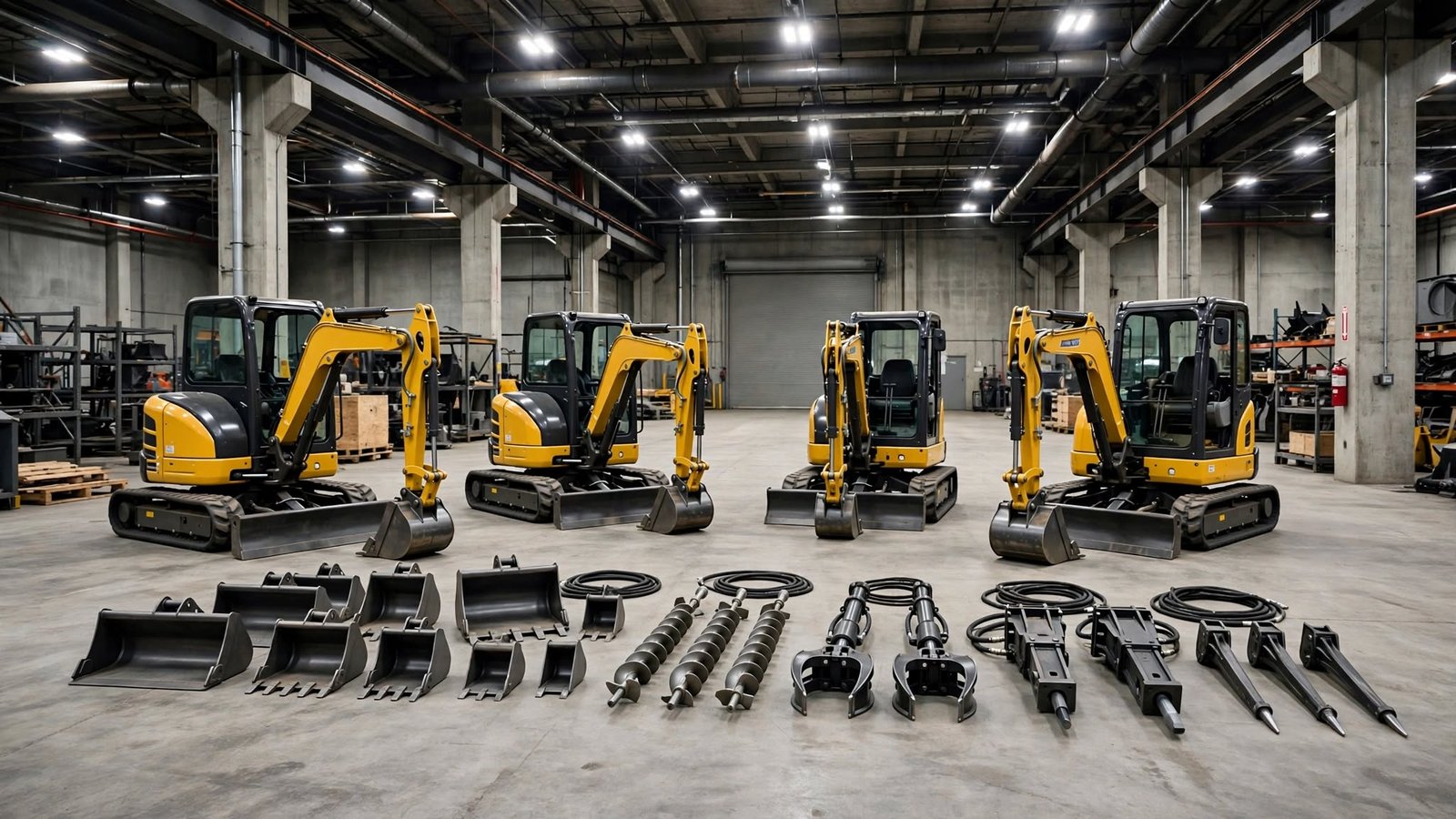
The third check is attachment support. A basic bucket digs. A breaker breaks concrete. An auger drills fence posts. A grapple moves logs. A thumb clip grabs rocks. Each attachment extends the Mini Excavator.
Check the quick-attach system. A good Mini Excavator system switches tools in minutes. A bad system takes hours. Quick-attach saves time on every job. The savings add up fast.
A landscaper bought a unit without quick-attach. Every tool change took 45 minutes. The crew lost 3 hours a day. A quick-attach system would have saved 15 hours a week. The attachment system matters more than the price.
Check the attachment options. Check the coupler type. Check the hydraulic lines. This check multiplies the value. One Mini Excavator does the work of three.
Hidden Costs Nobody Talks About
The fourth check is the hidden cost. Fuel adds up. Hydraulic fluid adds up. Filters add up. Tracks add up. Parts add up. These costs never show on the listing. They show on the repair bill.
Check parts availability. A Mini Excavator with easy parts stays productive. One with rare parts sits idle. Weeks pass. The job stalls. Money bleeds.
A county bought a unit from a no-name brand. A hose failed. The part took 6 weeks to arrive. The machine sat idle for 42 days. The lost work cost 12000 dollars. A well-supported Mini Excavator would have run the next day.
Check the dealer network. Check the parts warehouse. Check the shipping time. This check prevents long downtime. The fix costs nothing. The savings run high.
Safety and Comfort Affect Output
The fifth check is safety and comfort. A bad seat causes fatigue. Fatigue causes mistakes. Mistakes cost money. A good seat keeps the operator sharp. Sharp operators finish faster.
Check the rollover protection. Check the seat belt. Check the track width. A wide track Mini Excavator stays stable on slopes. A narrow track tips on uneven ground. Stability prevents accidents.
A crew bought a unit with a narrow track. The machine tipped on a slope. The operator escaped with bruises. The repair cost 4500 dollars. A wide track Mini Excavator would have stayed upright. Safety is not optional.
Check the visibility. Check the joystick controls. Check the warning systems. This check protects the crew. The fix takes minutes.
Matching the Machine to the Job
The sixth check is job fit. Dig depth matters. Reach matters. Bucket size matters. A Mini Excavator that cannot reach the trench depth fails the job. One that cannot lift the load fails the job.
Check the dig depth spec. Check the reach spec. Check the bucket capacity. Match these numbers to the work. A Mini Excavator for foundation work needs 6 feet of depth. A Mini Excavator for trenching needs 4 feet. Wrong specs mean wrong machine.
A contractor bought a unit for a 7 foot foundation. The machine reached 5 feet. The crew dug the last 2 feet by hand. The job took 3 extra days. The right Mini Excavator would have finished on time. Specs matter.
Check the job requirements first. Check the machine specs second. This check prevents underbuying. The fix takes minutes.
Price vs Value — The Final Call
The seventh check is price vs value. Cheap is not always bad. Expensive is not always good. A budget Mini Excavator with a solid engine and strong hydraulics offers great value. A premium Mini Excavator with poor support offers regret.
Check the reviews. Check the specs. Check the parts. Check the dealer. Real buyer feedback reveals hidden problems. Hydraulic leaks. Weak welds. Poor track quality. These issues show up in reviews. They never show in marketing.
A buyer ignored reviews on a unit. The machine arrived with a cracked frame. The repair cost 3800 dollars. The reviews warned about frame cracks. The buyer missed them. A review check would have saved the money.
Read 10 reviews. Read 20 reviews. Read 50 reviews. The pattern shows the truth. This check takes an hour. The savings last years.
How These Checks Connect
These 7 checks connect. Engine quality powers the machine. Hydraulics control the machine. Attachments extend the machine. Hidden costs drain the wallet. Safety protects the crew. Job fit delivers the work. Price vs value decides the winner. Each check protects the Mini Excavator investment.
Daily Routine Before Buying
Start each Mini Excavator search with a plan. Check the engine brand. Check the hydraulic flow. Check the attachment system. Check the parts network. Check the safety features. Check the job specs. Check the reviews. These steps prevent bad purchases before money changes hands.
Run the checks in order. Write down the numbers. Compare two or three listings side by side. The right Mini Excavator becomes obvious. The wrong machines fall away.
Check the machine in person if possible. Start the engine. Test the hydraulics. Move the boom. Check the tracks. Listen for strange noises. The checks show the truth. Photos hide problems. Hands-on tests reveal them.
Training to Avoid Bad Deals
Train every buyer on these 7 checks. Show the engine brands. Show the hydraulic numbers. Show the attachment types. Show the parts networks. Show the safety features. Show the job specs. Show the reviews. Practice on a short list. Compare the numbers. Spot the bad deals.
One company trained three buyers on Mini Excavator checks. The team bought 4 machines over two years. Zero breakdowns. Zero major repairs. The company saved 18000 dollars in repair costs. The training paid back many times.
Results from Careful Buying
One contractor tracked results for two seasons. The crew used the 7 checks on every Mini Excavator. Breakdowns dropped by 85 percent. Repair costs dropped by 70 percent. The contractor saved 22000 dollars over two years. The checks delivered clear returns.
The Mini Excavators ran longer. The jobs finished faster. The crews stayed safe. The checks improved the whole operation.
Now Apply These Checks
Check the engine brand. Check the hydraulic flow. Check the attachment system. Check the parts network. Check the safety features. Check the job specs. Check the reviews. These checks take minutes. The savings last for years.
Now go check the next listing. Run the 7 checks. Compare the numbers. Buy the right machine. Watch the job run smooth. The wallet stays full. The Mini Excavator becomes a long-term asset.